Best Ways to Build Trust on a Fully Remote Team
A practical guide to building genuine trust across distributed teams without forced social events or relying on shared office space.

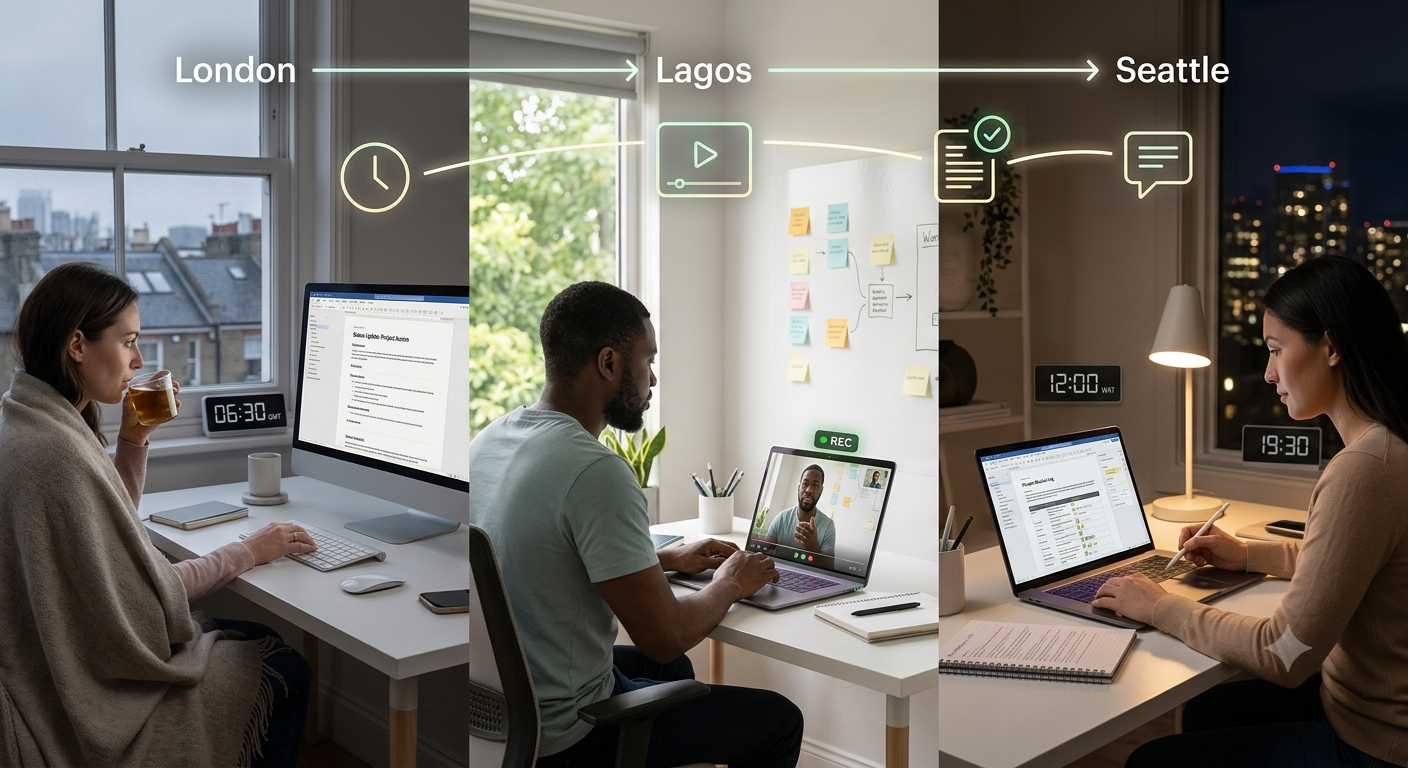
When you work together in an office, trust usually develops on autopilot. You notice when someone arrives on time, overhear how they de-escalate a tough call, or catch them staying late to help a teammate through a pinch. Remote environments lack those passive observations. As a result, building trust requires intentional habits rather than reliance on shared physical presence. Rather than giving vague advice like communicate more&without explaining what that looks like, this roundup highlights practices that build real trust in distributed setups.
How we chose these picks
We focused specifically on habits that demonstrate everyday reliability and openness—factors that carry far more weight in remote settings than casual social bonding alone. We also favored practices that function seamlessly across different time zones without requiring everyone to be online at the same moment.
Best overall
Sharing context and the reasons behind a decision—rather than just announcing the final outcome—is one of the single best ways to build trust remotely. When people understand why a choice was made, they are much more inclined to respect the leadership behind it, even if they would have preferred a different result. This mindset extends to project updates too. Posting regular, candid updates—especially when a project is running behind or hitting roadblocks—builds far deeper long-term trust than only broadcasting wins.
Best for New Team Members: A Structured Onboarding Buddy System
Pairing every new remote hire with a seasoned colleague during their initial weeks gives them an easy, low-pressure outlet for unwritten norms and quick questions. It provides an immediate human connection, making trust-building manageable instead of asking them to navigate the entire company at once. Structure is key here. Assigning a dedicated buddy with set check-ins works vastly better than a generic feel free to reach out if you need anything"—a phrase new hires rarely act on because they don't know what's reasonable to ask yet.
Best for Distributed, Async-Heavy Teams: Consistent Communication Habits
For teams scattered across time zones, trust boils down to predictability. Replying within agreed timeframes, showing up to scheduled meetings, and doing what you said you would build credibility far faster than virtual small talk ever could. This matters more than people realize. A team member who quietly meets their commitments on time will earn trust faster than someone who is lively in chat but inconsistent with deliverables.
Creating Room for Vulnerability
Beyond these core habits, psychological safety plays a quiet but essential role in how quickly trust takes root across a distributed workforce. When leaders actively encourage open feedback and demonstrate vulnerability—such as admitting when a strategic plan isn't working or acknowledging personal missteps—it signals to the rest of the team that perfection isn't expected, but honesty is. This creates a supportive environment where people feel comfortable raising red flags early, asking for help without hesitation, and taking ownership of their work without fear of micromanagement.
Summary
Trust on a remote team isn't built by proximity—it's built through intentional habits. Defaulting to transparent decision-making, setting up structured support for new hires, and staying consistent on day- to-day commitments will do far more for your team culture than any virtual happy hour. If you lead a remote team and feel trust could be stronger, start small. Pick one type of decision or update to share more openly this week, see how the team responds, and build from there.
More in Remote Work
View allFrequently Asked Questions
Can a team really build trust without ever meeting in person?
Absolutely. In a physical office, trust often forms quietly just from sitting near each other every day. Remote teams don't have that luxury, so they build trust through day-in, day-out reliability and open communication instead. Done consistently, it’s every bit as effective.
Are virtual social events actually effective for building trust?
They're nice for friendly rapport, but they won't fix core operational gaps. Online social hours tend to reinforce trust that already exists from solid daily work—they rarely create it out of thin air if people can't rely on one another during the workday.
Newsletter placeholder
Future weekly technology brief
This block reserves a clean, non-intrusive location for a future newsletter without changing article layouts later.
Comments placeholder
A future comments system can be added here without changing the article template.